
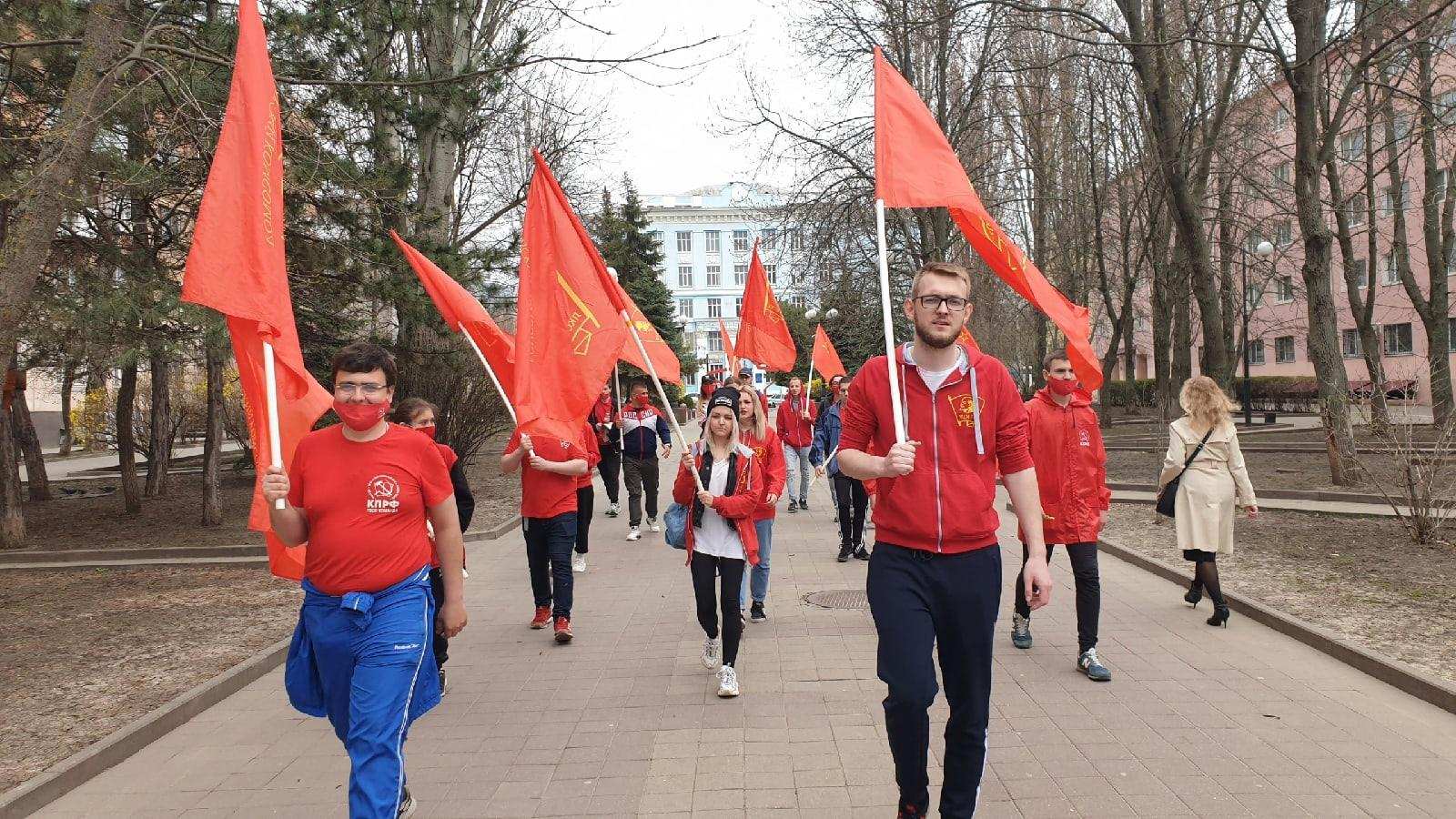
The Communist Party of the Russian Federation (KPRF) focused its activities in the last several days on challenging the September parliamentary election results, criticising government economic policies and promoting measures to protect household incomes.
KPRF calls for stronger state intervention in economy
Party leader Gennady Zyuganov and other KPRF representatives continued to question the conduct of the parliamentary elections, alleging administrative pressure, manipulation and violations of electoral law. The party argued that the authorities had failed to adequately address its complaints and maintained that defending electoral rights and strengthening the party's organisation were essential tasks for the coming period.
Economic and social issues also featured prominently in the party's parliamentary work. KPRF deputies criticised government budget priorities, arguing that insufficient resources were being allocated to industry, agriculture, pensions and healthcare. They advocated greater state investment in productive sectors, lower borrowing costs for enterprises and stronger public control over the country's natural resources.
The party also renewed its campaign against rising housing and communal service charges. On 15 October, KPRF deputy Olga Alimova highlighted a legislative proposal to limit household spending on utilities to 10% of family income. The initiative reflects the party's broader argument that rising living costs require stronger state intervention and more effective protection for working people and pensioners.
Another initiative concerned the management of digital infrastructure. On 15 October, Yuri Afonin, first deputy chairman of the KPRF Central Committee, proposed establishing a government commission to coordinate the use of private data-centre capacity during disruptions affecting critical digital services. The proposal called for stronger public oversight of infrastructure considered essential to the functioning of the economy and society.
Meanwhile, regional party organisations continued reviewing the parliamentary election campaign and preparing for future electoral contests. Meetings in Krasnodar and other regions addressed the election results, organisational priorities and the need to strengthen local party structures and recruit new activists.