
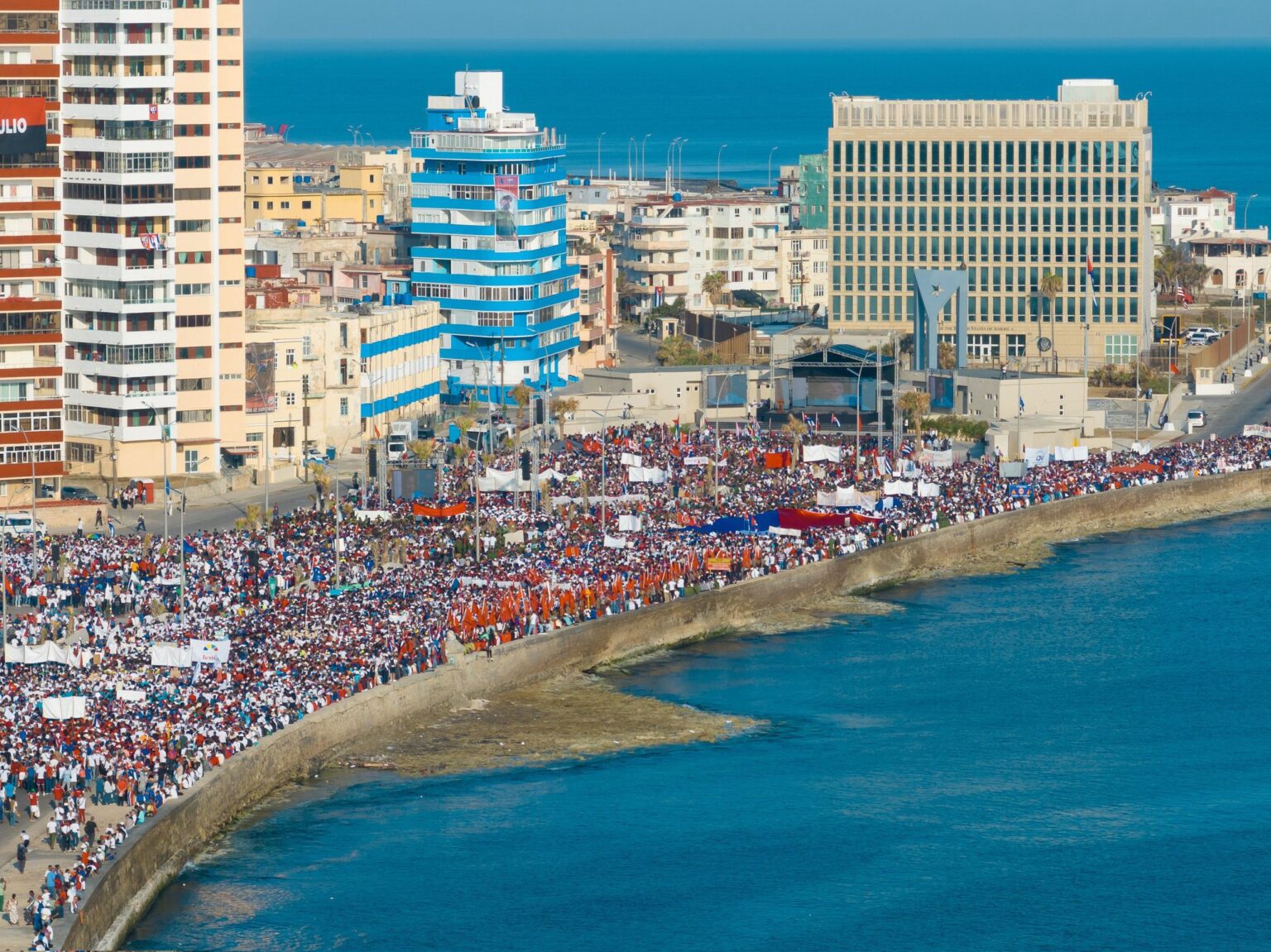
1st of May, International Workers’ Day, was celebrated in Cuba with mass demonstrations attended by millions across the country.
Millions gather to celebrate International Workers’ Day in Cuba
Cuban officials described this historic day as the most concrete proof of the working class’s commitment to defending the homeland and national sovereignty. The ceremony at the José Martí Anti-Imperialist Tribune in Havana, the main venue for the celebrations, was led by Revolutionary Leader General Raúl Castro and President Miguel Díaz-Canel.
In a massive procession along the Malecón seawall, over half a million residents of the capital departed from four strategic points throughout the city at the crack of dawn, united under 15 distinct trade union branches. Their destination was the José Martí Anti-Imperialist Tribune. These celebrations, organized to commemorate the 100th anniversary of the birth of Commander-in-Chief Fidel Castro Ruz, transcended a mere holiday celebration, transforming into an act of social resistance and political reaffirmation against economic hardship, power outages, and external pressure.
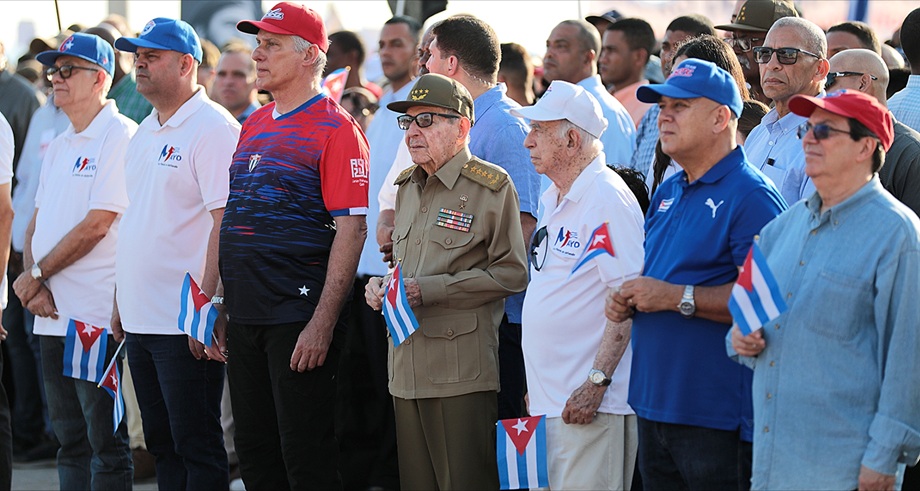
Speaking from the main podium at the event, Osnay Miguel Colina Rodríguez, Chair of the Organizing Committee for the Congress of the Central Workers' Trade Unions of Cuba (CTC), stated that the massive crowd filling Havana's squares had shown the whole world the dignity of the working class and its dedication to the revolution. Drawing attention to the rise of the far right and growing inequality on a global scale, Rodríguez emphasized that, while wealthy countries continue to arm themselves and build walls, Cuba will defend its social model, which prioritizes people over capital. Describing the economic, commercial, and financial blockade imposed by the US as 'collective punishment with profound humanitarian consequences.' The leader noted that, despite billions of dollars in losses and systematic disinformation campaigns, the Cuban people remain determined to 'resist and create.'
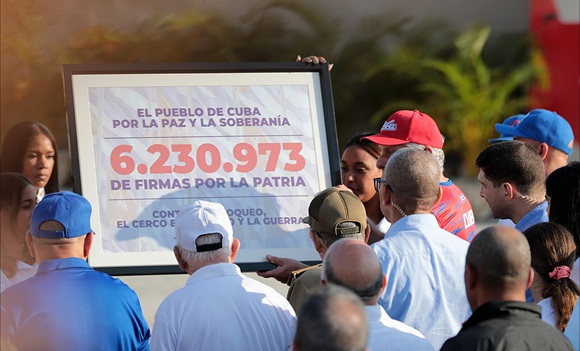
The most striking and symbolic moment of the ceremony was the presentation of the “My Signature for the Homeland” campaign documents to the government. These had been signed by 6,230,973 Cubans over the age of 16 in the previous week. This mass signature campaign was described as the people's unwavering response to their constitutional duty to defend the homeland. Yolaydis Hernández Valdés, speaking on behalf of industrial workers, stated that despite obstacles in the production sector and shortages of raw materials, they would not back down. She noted that they were developing alternative solutions in line with the goals of energy sovereignty and financial self-management. Valdés said that Fidel Castro’s legacy had given them the strength to achieve the impossible and reiterated that Cuba poses no threat to anyone but firmly believes that it will never accept annexation or intervention.
Witnessed by 827 international observers from 38 different countries, as well as representatives from 152 trade unions and solidarity organizations, the parade saw Palestinian and Cuban flags displayed side by side, reinforcing the island’s vision of global peace and solidarity. Participants from all sectors of society, ranging from retiree Luisa Rodríguez to young Communist Dunia Díaz García, emphasized that no external threat could intimidate them and that only the Cuban people have the power to determine their future. This massive rally concluded with great enthusiasm and discipline, reaffirming Cuba's commitment to defending its revolutionary gains “with everyone and for the good of all” despite the complex economic context.