

The Portuguese Communist Party (PCP) has issued a series of statements and interventions over the course of this week, condemning what it describes as a systematic pattern of right-wing attacks on public services, national sovereignty, and the wellbeing of working people and municipalities across Portugal.
Image
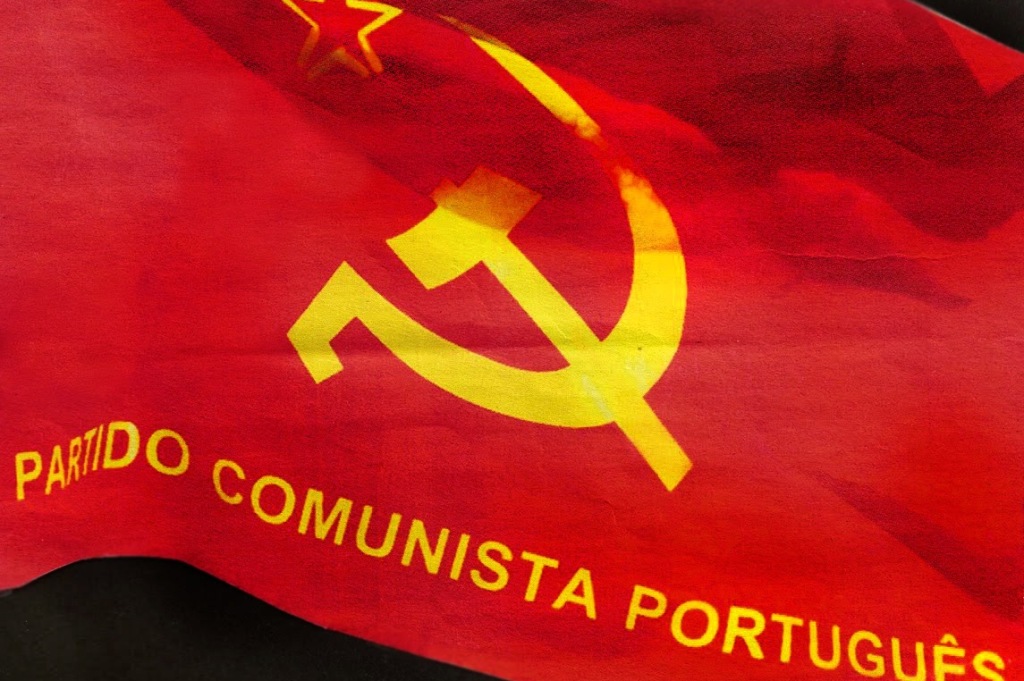
Portuguese Communist Party condemns attacks on public services, national sovereignty, and wellbeing of working people
PCP slams government failures across healthcare, public enterprise and disaster relief
On 9 May, the Press Office of the PCP issued a note rejecting the so-called “Strategic Pact for Health” proposed by the President of the Republic. The PCP expressed its conviction that any Strategic Pact achieved under current political conditions, and given the forces presently in play, would translate in practice into a new and more formalised plan of attack on the National Health Service (SNS) and a further opening to the private healthcare sector that profits from illness. The party assessed that it is not credible that those who have done everything to attack the SNS and undermine the constitutional right to health could be serious partners in finding answers that would strengthen and affirm it as the primary guarantee of that right. The PCP further noted its concern over the figure chosen to coordinate the Pact, who is known for their stance and vision favouring an ever-greater role for private companies in the health sector. The PCP reaffirmed its position that the true and principal “Pact” on the SNS is the Constitution of the Republic and its full implementation especially relating to the public right to health.
On 8 May, the PCP condemned the sale by TAP of its remaining 49.9% stake in SPDH (Serviços Portugueses de Handling) to the multinational Menzies, describing it as a move that weakens TAP, the workers of the sector, and the national economy. The party recalled a long succession of damaging decisions imposed on TAP, from the forced separation of ground handling services by order of the European Union in 1992, to three successive failed privatisation attempts, to the handing of operating licences to a multinational that has no workers in Portugal. The PCP characterised the entire process as unfolding under the imposition of the European Commission, with the complicity of Portuguese regulators and successive national governments, with the aim of methodically dismantling TAP and subjecting the country to the power of the major European aviation conglomerates. The statement described this as “a criminal process unfolding in plain sight, sustained by an intense propaganda operation that conceals from the Portuguese people the economic crime underway,” and expressed the party’s solidarity with the approximately 4,000 workers of the SPDH and TAP, who it called the primary victims of the successive rounds of destabilisation.
On 7 May, PCP deputy Alfredo Maia took to the floor of the Assembleia da República to denounce the response of the PSD/CDS government to the storms that struck Portugal in January and February. He pointed out that the very fact that exceptional measures for affected municipalities were only being discussed more than three months after the storms had passed confirmed the correctness of the PCP’s criticisms of the government’s late, disorganised, and wholly insufficient response. Maia highlighted the effects of chronic underfunding of local authorities and the transfer of responsibilities without adequate resources, noting that some municipalities faced storm damage repair costs equivalent to more than 60% of their entire annual budget, yet risked breaching debt limit legislation simply by responding to the disaster. He criticised the government’s proposed legislation as consistent with its overall policy, which was always falling short of what is actually necessary, and called on Parliament to go further, to cover all affected municipalities and not only those included in the formal calamity declaration, to extend exceptional borrowing provisions, to suspend balanced budget rules for local authorities during this period, and to compensate municipalities from the national budget for revenues lost in providing relief. Maia concluded with a sharp rebuke: “We have a government more concerned with acts of propaganda than with putting in place on the ground and within the proper legal framework the responses that are required. It falls to Parliament to make the right choices!”
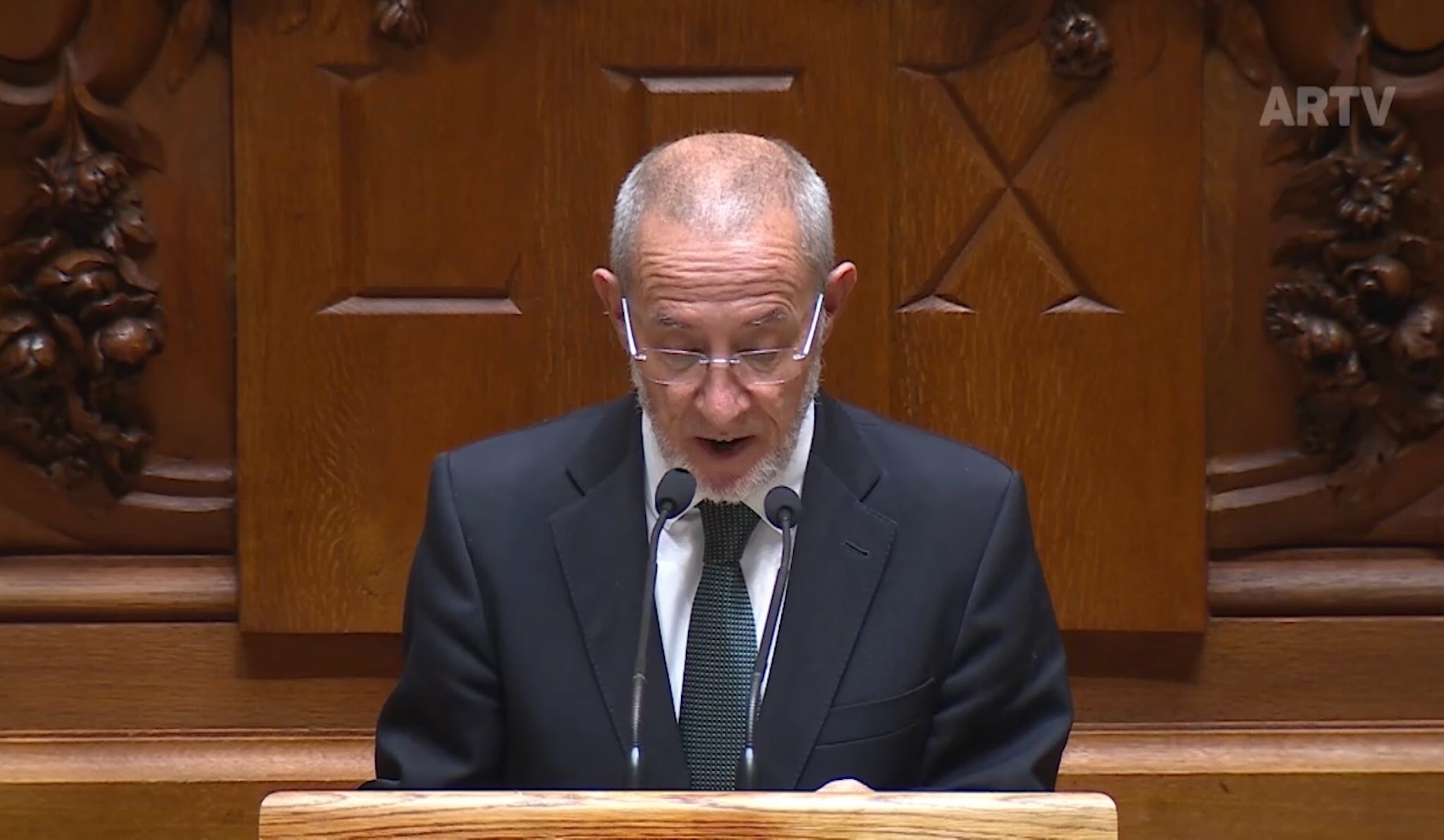
Photo: PCP MP Alfredo Maia during his intervention