
The Portuguese Communist Party (PCP) has stepped up its parliamentary and public activity around the 2027 state budget, presenting proposals to address the rising cost of living, improve wages and pensions, and expand public housing.

The Portuguese Communist Party (PCP) has stepped up its parliamentary and public activity around the 2027 state budget, presenting proposals to address the rising cost of living, improve wages and pensions, and expand public housing.
On 30 October, Paula Santos, leader of the PCP parliamentary group, presented the party’s first package of amendments to the 2027 state budget. The proposals focus on the rising prices of essential goods and services, which the party says are placing an increasing burden on workers, young people and pensioners.
The PCP proposed a 15% increase in public-sector wages, with a minimum rise of €150, and reiterated its demand for a national minimum wage of €1,100. For pensioners, it proposed a 5% increase, with a minimum of €80.
To address rising living costs, the party called for regulation of food prices by limiting the profit margins of major retailers, the reintroduction of regulated fuel prices and restrictions on oil companies’ profits. It also proposed setting the price of bottled gas at €20.
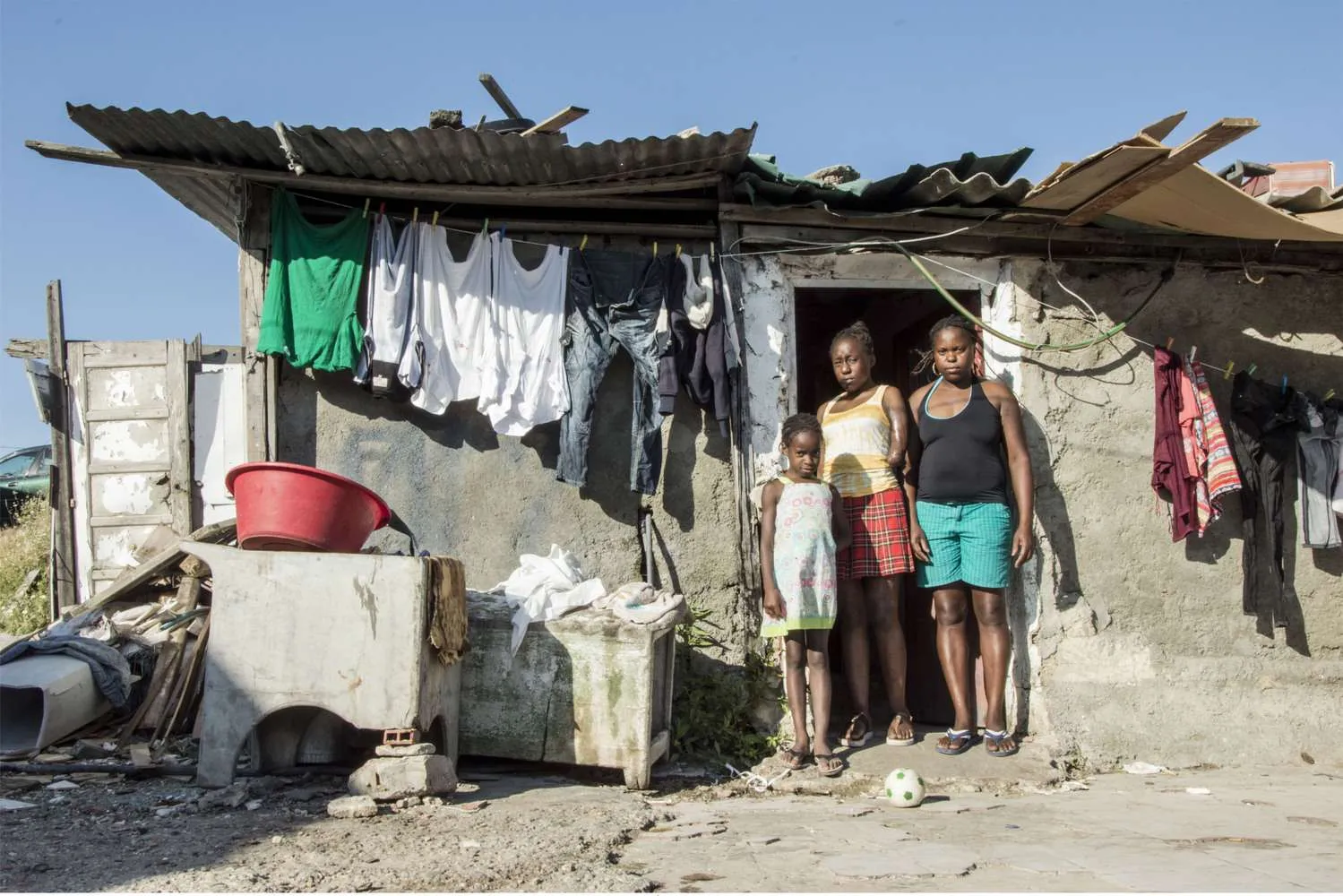
Housing was another central element of the PCP's budget proposals. The party called for an additional €900 million in public investment in housing, reversing a planned €706 million reduction in the relevant budget allocation. Its longer-term objective is to raise public investment in housing to 1% of GDP.
The PCP also proposed regulating rents, establishing a minimum ten-year duration for rental contracts, reducing mortgage payments by requiring banks to lower spreads and eliminate banking commissions, and introducing a 35% tax on the turnover of real-estate investment funds, which would also lose their current exemption from corporate income tax.
The party argued that housing policy should prioritise public provision and tenants' security rather than the interests of banks, property funds and large landlords.
(Photo: Claudio Carbone)