

The South African Communist Party (SACP) has described its performance in the November 2026 local government elections as an important breakthrough in establishing an independent electoral presence and advancing working-class representation in municipal government. At the same time, the SACP has taken an initiative to bring together a broader range of left and progressive political forces through the establishment of the Council of the Left.
Image
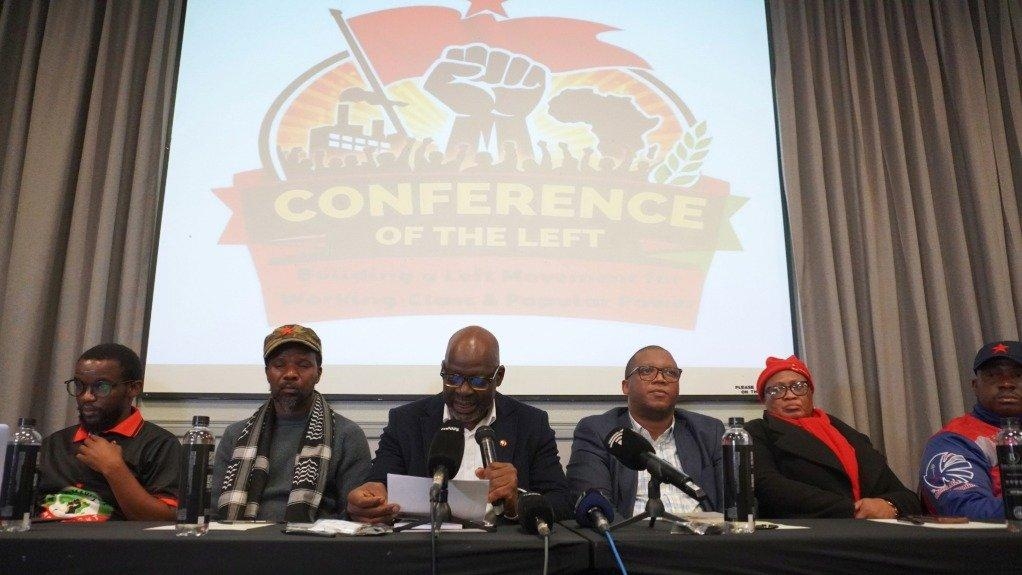
South African Communist Party leads establishing a Council of the Left after electoral success
SACP wins 271 municipal seats and takes initiative in building a Council of the Left
Having contested nationwide independently for the first time since 1994, the party secured 271 municipal council seats. It is now seeking to translate this representation into a programme of public services, economic transformation and working-class participation in local government.
The Council of the Left was announced on 12 November, the initiative seeks to coordinate the activities of participating parties in municipal councils and develop a common political programme. It also opens a wider discussion about political cooperation ahead of the 2029 national and provincial elections.
271 seats: SACP sets out its priorities for municipal government
In a statement dated 11 November, the SACP Political Bureau thanked voters, campaign volunteers and communities that had supported its electoral campaign. The party described its results as “foundational headway” in advancing the country's national liberation and social emancipation struggles.
General Secretary Solly Mapaila said the party had contested against political organisations backed by substantial capitalist resources, while conducting its own campaign despite severe financial constraints. He characterised the result as the beginning of a new phase in the SACP's political programme and its efforts to advance a just society based on shared prosperity, a democratised economy and the emancipation of the working class.
The party's immediate task is to ensure that its elected councillors advance a consistent programme in municipal councils. The enlarged Special Political Bureau meeting that reviewed the results reaffirmed the SACP's opposition to municipal privatisation, unnecessary outsourcing and corrupt tender systems. It called instead for the development of democratic, developmental local government with its own institutional capacity, including through the direct employment of workers and the in-sourcing of services.
The SACP identified access to clean drinking water and affordable electricity, the expansion and maintenance of roads, and equitable access to land for housing and food production as central priorities. It also called for measures to combat hunger, poverty and violence, particularly violence against women and girls.
The party stressed that these demands would constitute non-negotiable conditions in its coalition engagements. Its councillors, it said, would act together in municipal councils to defend the interests of the communities they represent.
The SACP secured representation in municipalities where its seats could influence, and in some cases determine, the composition of local government. With 138 municipalities left without an outright winner, the party established a negotiating team led by First Deputy General Secretary Madala Masuku to engage in the coalition process during the 14-day period provided for the formation of municipal councils.
The party said it would seek agreements guaranteeing stable and accountable municipal administrations, rejecting arrangements based on the distribution of positions among political elites or the interests of individual politicians, criminal syndicates and extortion networks.
The Political Bureau also reaffirmed the SACP's opposition to the composition of the national Government of National Unity (GNU), particularly the participation of the Democratic Alliance (DA), which it characterises as a right-wing, neoliberal and anti-Freedom Charter party. The SACP stated that it would not associate itself with the DA, its coalition arrangements or its political agenda.
The meeting was extended to representatives of the party's working-class and alliance partners, including the Congress of South African Trade Unions (COSATU), the National Education, Health and Allied Workers Union (NEHAWU), the South African Municipal Workers' Union (SAMWU), the South African National Civic Organisation (SANCO) and the Congress of Traditional Leaders of South Africa (CONTRALESA). Their participation reflected the SACP's intention to connect its municipal programme with organised labour and community structures.
Council of the Left: building a broader front for working-class and popular power
On 12 November, the SACP joined the Economic Freedom Fighters (EFF), uMkhonto weSizwe Party (MK Party), African Congress for Transformation (ACT), Afrika Mayibuye Movement, Azanian People's Organisation (AZAPO), Pan Africanist Congress of Azania (PAC) and other formations in announcing the Council of the Left.
The initiative emerged from the Conference of the Left convened earlier this year under the auspices of the SACP. Representatives of the participating organisations met at the Birchwood Hotel in Boksburg to discuss cooperation following the local elections. The grouping said that, collectively, it represented close to 20% of the vote in the municipal elections.
The joint statement, read by MK Party negotiator Advocate Dali Mpofu, called on councillors from the participating organisations to cooperate in municipal councils, establish joint caucuses where possible and speak with one voice on agreed political and social priorities. The aim is to develop a common minimum programme and use their combined representation to advance the interests of working-class and popular communities.
The proposed programme includes opposition to the privatisation of public assets, the provision of clean water and affordable electricity, decent housing, access to land, employment creation and the fight against corruption. The parties also called for municipal councils to become centres of people's power rather than institutions serving political and economic elites.
SACP General Secretary Solly Mapaila explained that the initiative was intended to encourage organisations with support among the African majority to work together in municipal councils. He said the parties wanted to prevent the DA and the Freedom Front Plus from leading municipal administrations, arguing that their political programmes did not serve the interests of the communities concerned.
The Council of the Left also addressed the national political situation. It invited the African National Congress (ANC) to join the initiative, although the ANC was not represented at the Boksburg meeting. The invitation was accompanied by a clear political condition: the ANC would need to reconsider its cooperation with the DA and the Freedom Front Plus in the national Government of National Unity.
The initiative was therefore presented not as an anti-ANC formation, but as an effort to encourage cooperation among political organisations with working-class and popular support. Its organisers argued that the policies pursued under the GNU, particularly those associated with neoliberal economic approaches, were incompatible with the interests of working people.
The parties have not, however, established a common electoral front for the next national elections. Dali Mpofu clarified that the participating organisations would continue their municipal coalition negotiations separately, while keeping one another informed. He raised the possibility of a common electoral platform in 2029, but this remains a longer-term prospect rather than an agreement already reached.
For the SACP, the Council of the Left represents an extension of its effort to organise cooperation among left, progressive and working-class forces. The party has undertaken to convene the Council following the Conference of the Left and to continue discussions on the political implications of the election results.