
The Sudanese Communist Party (SCP) has condemned a decision by the Ministry of Education in River Nile State to reintroduce military training in secondary schools, warning against the militarisation of education and the use of schools to cultivate a culture of war.
Sudanese Communist Party opposes reintroduction of military training in schools
In a statement issued on 25 November, the SCP organisation covering Atbara, Berber, Al-Damer and Al-Bawqa rejected the introduction of military training, known as cadet training, for boys in secondary schools. The party described the measure as a revival of practices associated with the former regime and argued that it would further undermine an education system already suffering from severe shortages and disruption.
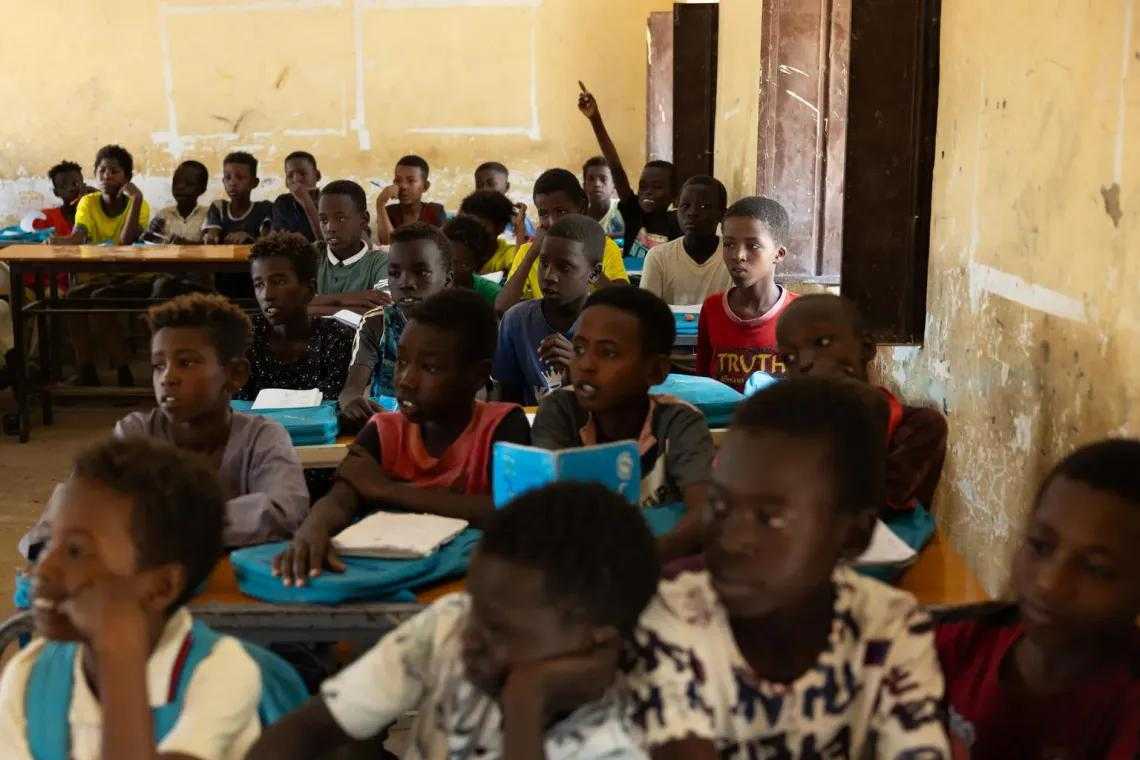
The statement stressed that Sudanese schools urgently need textbooks, qualified teachers, adequate facilities and food for students, rather than military drills. It argued that educational institutions must provide knowledge and develop critical thinking, not become instruments for promoting obedience and militarised attitudes.
The party recalled the former regime's use of cadet training, the Popular Defence Forces and compulsory national service to recruit students and draw young people into military conflicts. It warned that bringing military structures back into schools would expose minors to the culture and practices of war, violate their rights and undermine the civilian character of education.
War threatens the future of an entire generation
The dispute takes place against the background of the war that erupted in April 2023 between the Sudanese Armed Forces (SAF) and the Rapid Support Forces (RSF), following a breakdown in relations between the two military forces. The conflict has spread across large parts of the country, bringing widespread civilian casualties, destruction of infrastructure, mass displacement and the collapse of essential public services.
The humanitarian consequences are immense. According to the UN's 2026 humanitarian estimates, 33.7 million people—around two-thirds of Sudan's population—need humanitarian assistance. By the middle of the year, approximately 8.7 million people were internally displaced, while millions more had fled across international borders. Around 19.5 million people were experiencing acute food insecurity, with several areas at risk of famine.
Education has been among the major casualties of the war. According to the UN's humanitarian assessment, nearly 60 per cent of school-aged children were not attending formal education in 2026, while more than 10 million children needed educational assistance. Thousands of schools have been damaged, closed, occupied by armed groups or converted into shelters for displaced people. Teacher shortages, unpaid salaries, insecurity and the lack of learning materials have further restricted access to education.
The war has also exposed children to recruitment, sexual violence and other serious violations. A report presented by the UN Human Rights Office in November documented continuing attacks on civilians and civilian infrastructure, including schools, hospitals, markets and displacement sites. It confirmed more than 2,230 civilian deaths from January to October 2026, including over 1,630 people killed in drone attacks. The UN warned that the actual toll was likely higher.
Although River Nile State has experienced less direct fighting than the principal conflict zones in Darfur and Kordofan, it has not been insulated from the consequences of the war. Displacement, pressure on public services and the wider economic and humanitarian crisis affect communities across the country.
Communists demand civilian education and protection of students
The SCP expressed solidarity with the Sudanese Teachers' Committee, which has also opposed the decision, and called for its immediate cancellation. Its demands include removing military and security structures from schools and universities, guaranteeing free education, improving teachers' working conditions and providing students with a safe and adequate learning environment.
The party's intervention raises a broader question about the future of Sudanese education and the place of young people in a country devastated by military conflict. The SCP argues that the reconstruction of education must prioritise the needs and rights of students and teachers, rather than extend military influence into civilian institutions.