In an interview with Al-Midan, Mahmoud described the current fuel crisis as a major burden on citizens. Reports from several areas of River Nile State and Khartoum indicate widespread fuel shortages, long queues at service stations, and growing difficulties in accessing both gasoline and diesel.
Residents interviewed by Al-Midan reported severe shortages of fuel and sharp increases in the prices of basic goods. In Abu Hamad locality, fuel supplies had reportedly become almost unavailable at the time of reporting. Citizens also noted the closure of a number of shops in the Abu Hamad market for several consecutive days, which some interpreted as an undeclared protest by traders frustrated by repeated price increases and deteriorating market conditions.
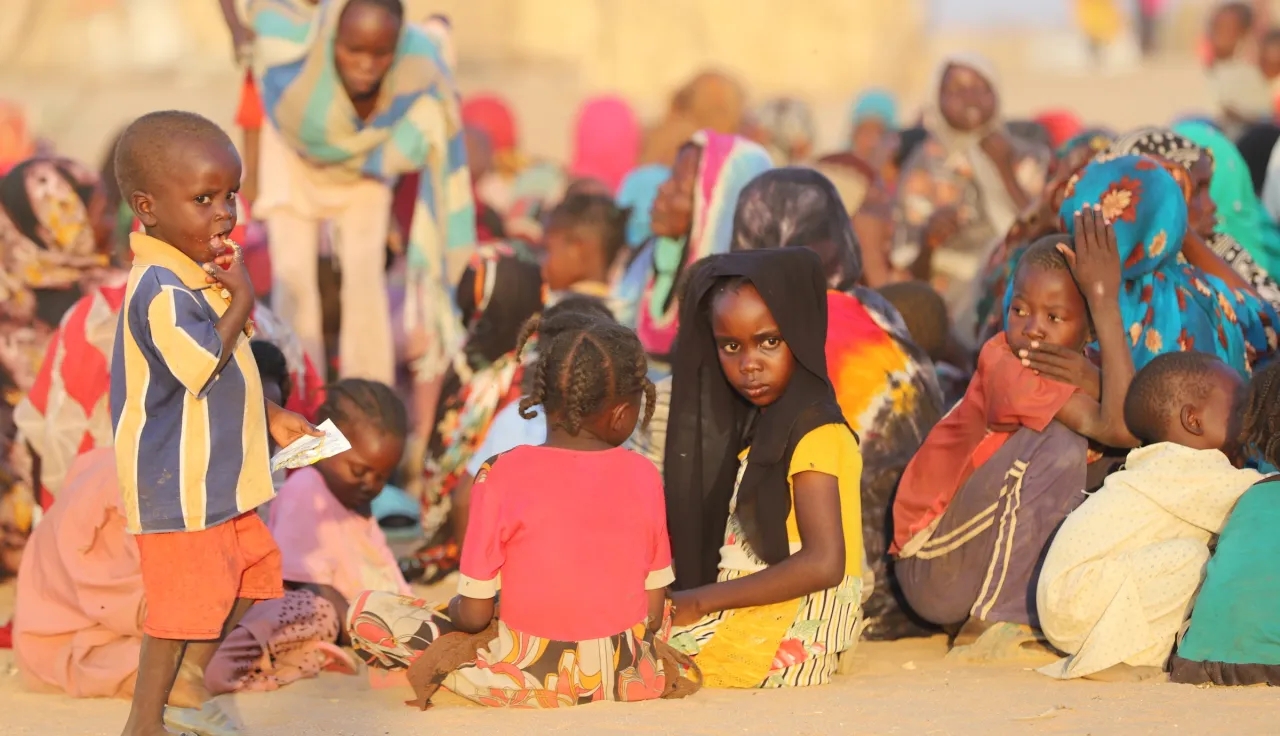
The impact of inflation has extended to locally produced goods. One displaced woman, who supports herself by selling sweets and snacks, stated that even basic items such as soap had experienced significant price increases. According to her, the price of a carton of soap rose from 50,000 Sudanese pounds to 65,000 pounds despite most production inputs being locally sourced.
Fuel Shortages and Price Increases
Mahmoud said that the fuel crisis was being artificially created and that the congestion at fuel stations would inevitably be followed by new price increases in both the official and black markets. He reported that official gasoline prices had reached 28,000 Sudanese pounds, compared to approximately 40,000 pounds on the black market. Official diesel prices stood at around 40,000 pounds, while black market prices exceeded 50,000 pounds.
According to Mahmoud, the current shortages and anticipated price increases will have broad consequences for transportation, public services, and commodity prices, leading to further deterioration in living conditions.
He called on the population to organize and defend their rights through peaceful and democratic means, including petitions, public pressure campaigns, strikes, and collective action aimed at confronting the rising cost of living.
Allegations of Corruption in Fuel Imports
Mahmoud also raised concerns about alleged corruption in the fuel import sector. He suggested that fuel import operations may involve collusion between private actors and government authorities in determining fuel prices, although no specific evidence was presented in the interview.
Electricity and Water Shortages
He highlighted the continuing crisis in electricity supply, stating that current power generation meets only around 35 percent of the capital's electricity needs. As a result, residents face prolonged scheduled and unscheduled power cuts, particularly during periods of high temperatures.
He further noted that approximately 90 percent of the industrial sector remains outside the electricity supply network. Efforts to restore thermal generation facilities, including the Bahri thermal power station and the Kosti 4 plant, face challenges due to difficulties securing adequate fuel supplies. These problems persist despite electricity tariff increases imposed on residential consumers in May, which reportedly amounted to 100 percent. Water services remain insufficient to meet the actual needs of the population, as well.
Deterioration of Health, Education, and Living Conditions
The interview criticized the authorities in Khartoum for transforming education and healthcare into market commodities rather than maintaining them as free public services. Mahmoud argued that the neglect of essential infrastructure in water and energy sectors has undermined agricultural and industrial production and contributed to worsening living standards.
According to the Communist Party, the combined effects of war, economic crisis, and government policies have resulted in growing hunger, poverty, disease, and social deprivation. Mahmoud saidthat the ongoing conflict between the Sudanese Armed Forces and the Rapid Support Forces has further intensified poverty and unemployment, while many families have suffered the loss of breadwinners through death, injury, displacement, privatization, and arbitrary dismissals.
Mahmoud also stated that the authorities in Port Sudan are preparing what he described as one of the largest waves of dismissals in the history of the civil service, potentially affecting large numbers of state employees.
Treatment of Informal Workers and Return of Displaced Persons
He criticized authorities in Khartoum for targeting street vendors and small-scale food and beverage sellers through fees, fines, and the removal of their workplaces rather than supporting the sector.
He further questioned official appeals encouraging displaced persons and refugees to return, arguing that such decisions should be left to the individuals concerned and should be based on a transparent assessment of the actual conditions on the ground.
The interview concluded with a broader critique of the authorities' handling of the economic and humanitarian crisis, warning that continued deterioration in fuel supplies, public services, and living conditions will deepen social hardship and public dissatisfaction across Sudan.
Photo: Mohammed Jamal/ICRC